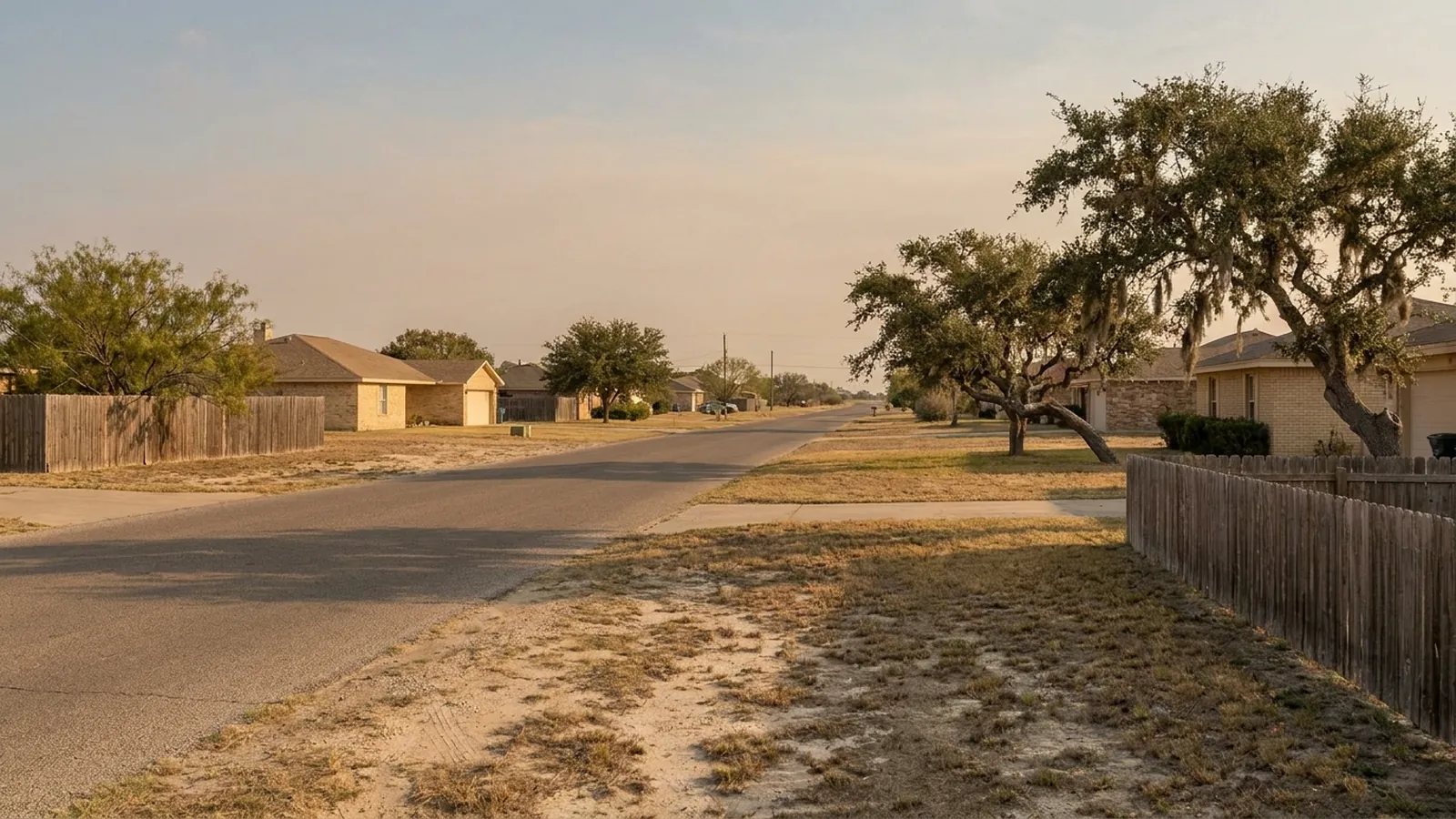
A static plumbing test costs $300–$800 and should come before any Corpus Christi foundation repair is priced. An under-slab leak wets clay locally and swells it, so repairing around an active one buys movement that resumes. Ask whether the assessment is charged.
How leak-driven movement differs from seasonal movement, the signs worth checking yourself, and why nobody should quote around it.
Why this page exists on a foundation site
Because it is the cheapest way to avoid the most expensive mistake available in this market. Everything else on this site describes movement driven by the seasons, which is broad, follows the perimeter and swings twice a year. A plumbing leak produces movement that is none of those things.
It is local, it is constant, and it goes in one direction: wet clay swells, so the affected area tends to rise rather than fall. Underpinning a house against a swelling area is working against a force that has not been turned off.

Telling the two apart
| Seasonal clay movement | Under-slab leak | |
|---|---|---|
| Shape | Follows the perimeter, broad | Localised, often mid-slab, near a wet room |
| Direction | Down in drought, up after rain | Usually up, and it stays up |
| Timing | Tracks the seasons | Ignores them completely |
| Water bill | Unchanged | May have climbed with no change in use |
| Floor temperature | Even | A warm patch, if it is a hot supply line |
| Sound | None | Running water with every fixture closed |
The timing row is the most useful one and it costs nothing to think about. Movement that appeared during a dry stretch and eased after heavy rain is behaving like clay. Movement that has done nothing seasonal at all is behaving like a pipe.
What a static test does
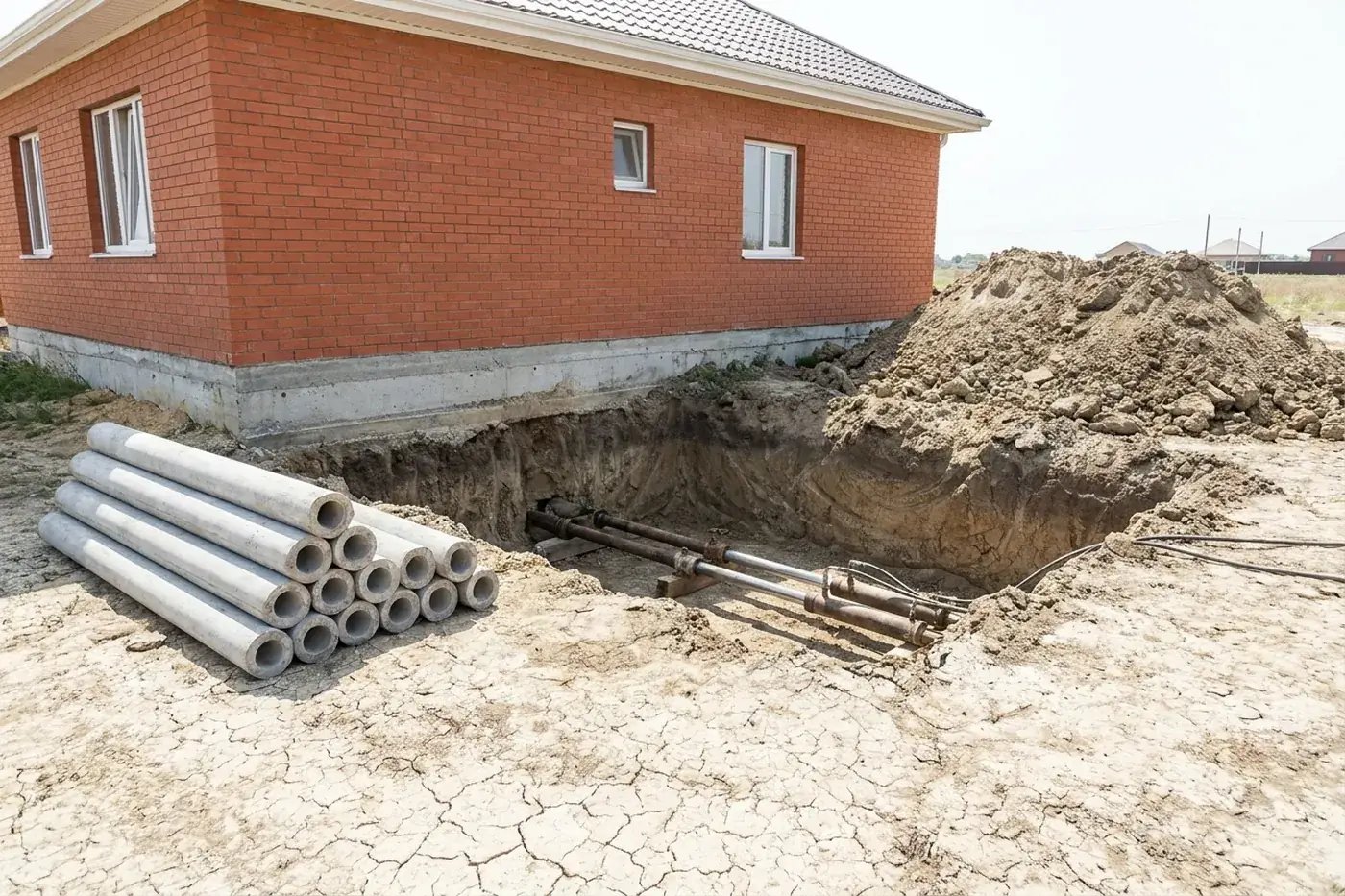
The drain system beneath the slab is isolated and filled, then watched. If the level holds, the drains are sound. If it drops, water is going somewhere it should not, and there is now a documented reason to look further before anybody prices structural work.
It is performed by a licensed plumber rather than by the foundation contractor, and that separation is deliberate: the party recommending the test should not be the party selling the result.
What a foundation contractor should and should not do here
- They should take floor elevations and tell you whether the pattern looks like plumbing rather than seasons
- They should ask for a test before quoting where the pattern is localised and non-seasonal
- They should work from whatever the plumber finds, and adjust the scope to it
- They should not perform plumbing tests or repairs. Different trade, different licensing, and a conflict of interest worth avoiding
- They should not quote underpinning over an unresolved leak, because it will not hold
The order that saves money
Test, repair the line, allow the soil to settle back toward its normal state, then re-measure and decide what structural work is genuinely needed. A meaningful number of houses need far less after that sequence than the first survey suggested — and some need nothing at all beyond an even moisture regime.
Under-slab leaks, answered plainly
What does a static plumbing test cost?
Typically $300-$800, and it is money well spent before any foundation work is priced. It isolates the drain system under the slab and shows whether it holds pressure, which is the cheapest way to rule in or out an entire category of cause.
Why test the plumbing before repairing the foundation?
Because a leak under a slab wets clay locally, and wet clay swells. Repairing or underpinning around an active leak means paying to correct movement that is still being driven, and the movement will simply resume.
What are the signs of an under-slab leak?
A water bill that climbed with no change in use, a warm spot on the floor if it is a hot line, the sound of running water with everything shut off, unexplained damp at the slab edge, and movement concentrated in one area near plumbing rather than spread along an elevation.
Does the foundation specialist fix the leak?
No. A foundation contractor is not a plumber. A good one identifies that the pattern points at plumbing, recommends the test, and works with whatever the licensed plumber finds. Repair of the line itself is the plumber's trade, and a foundation contractor should not take it on.
Is a leak more likely on old houses?
Cast iron drain lines in older construction do fail with age, so yes for drains. Supply-side leaks are not confined to old houses. What matters more than age is whether the movement pattern is localised near plumbing rather than following the perimeter.
What if the test is clear?
Then a whole explanation is off the table and everything that follows is better targeted. That is worth $300-$800 on its own, and it is why it should come before the quote rather than after.
Book a Corpus Christi foundation assessment
Two things help most before the specialist gets there: roughly what year the house went up, and whether the trouble showed up during a dry spell or after heavy rain. On this ground the season it appeared in narrows the cause faster than the size of any crack does. You get a call back from a local specialist who serves Corpus Christi.