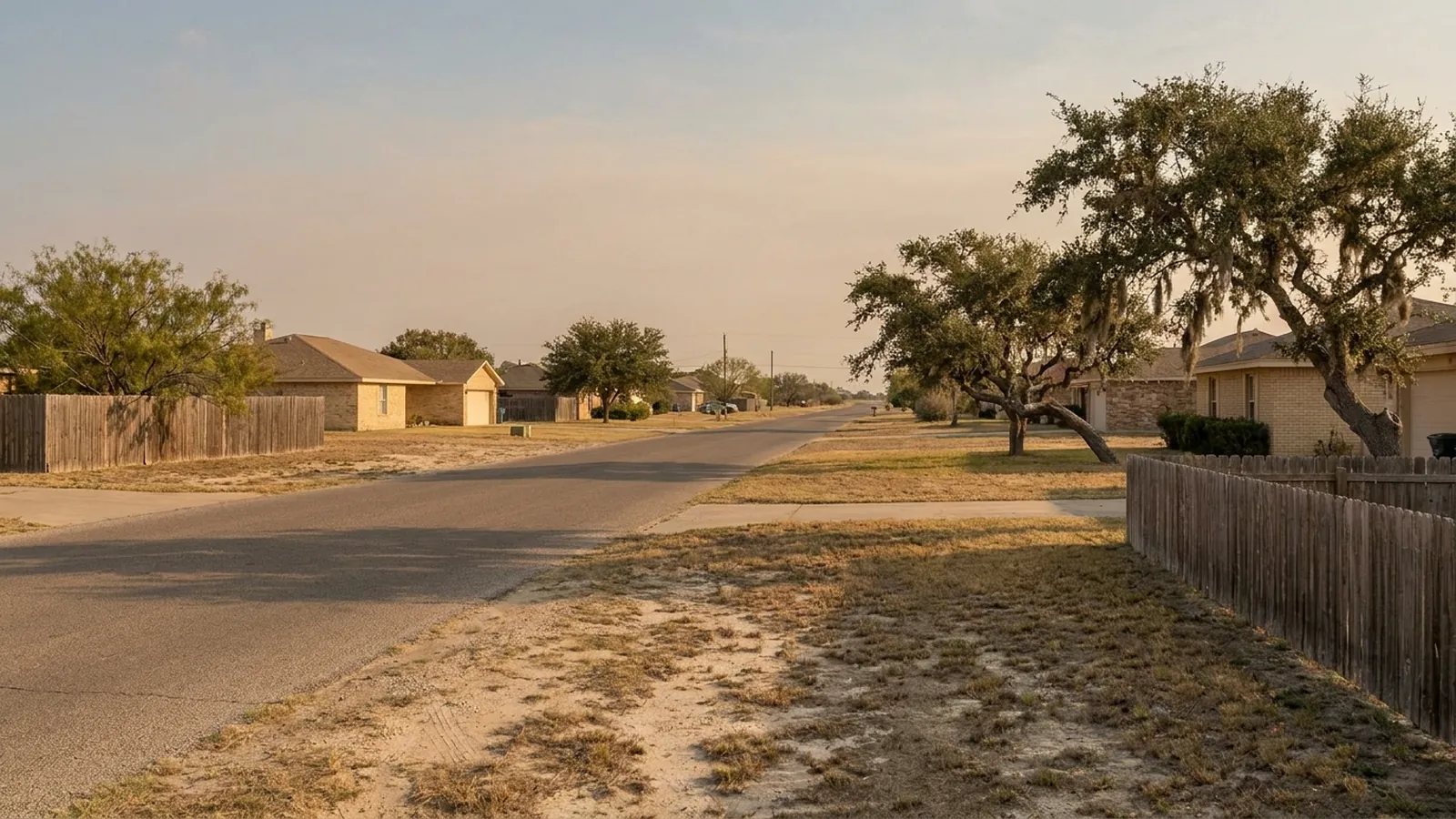
Pressed piling foundation repair in Corpus Christi runs $1,200–$3,000 per piling and $4,000–$15,000 complete. Precast sections are driven beneath the beam using the weight of the house as reaction. Ask whether the first assessment is charged.
How the method works, why depth belongs in the quote, and the part that carries on after the crew leaves.
How the method works
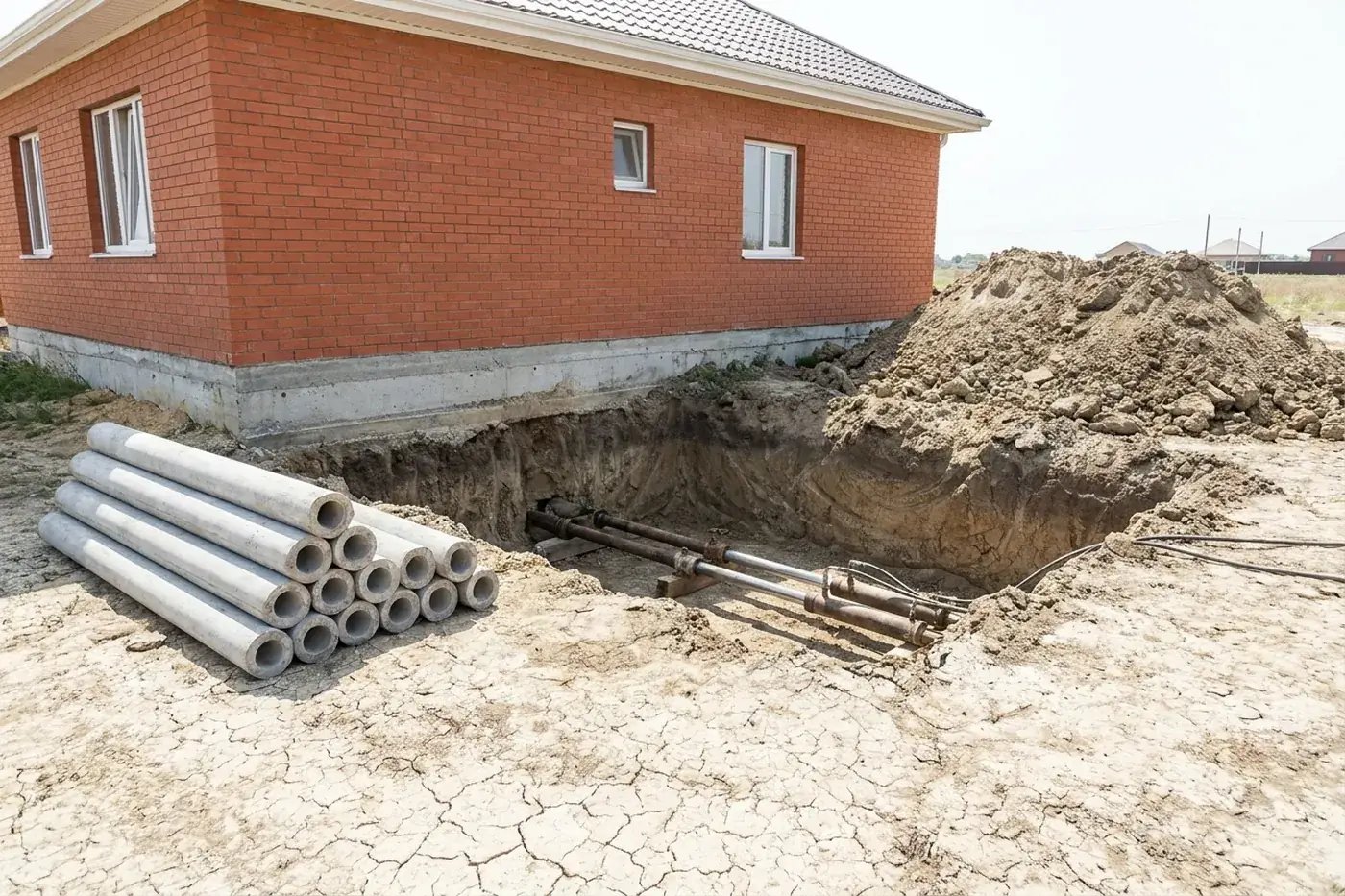
Sections of precast concrete are driven one after another into the ground under the foundation beam, hydraulically, with the structure’s own weight providing the resistance to push against. The sections stack until the ram meets consistent refusal, then the beam is supported off that column.
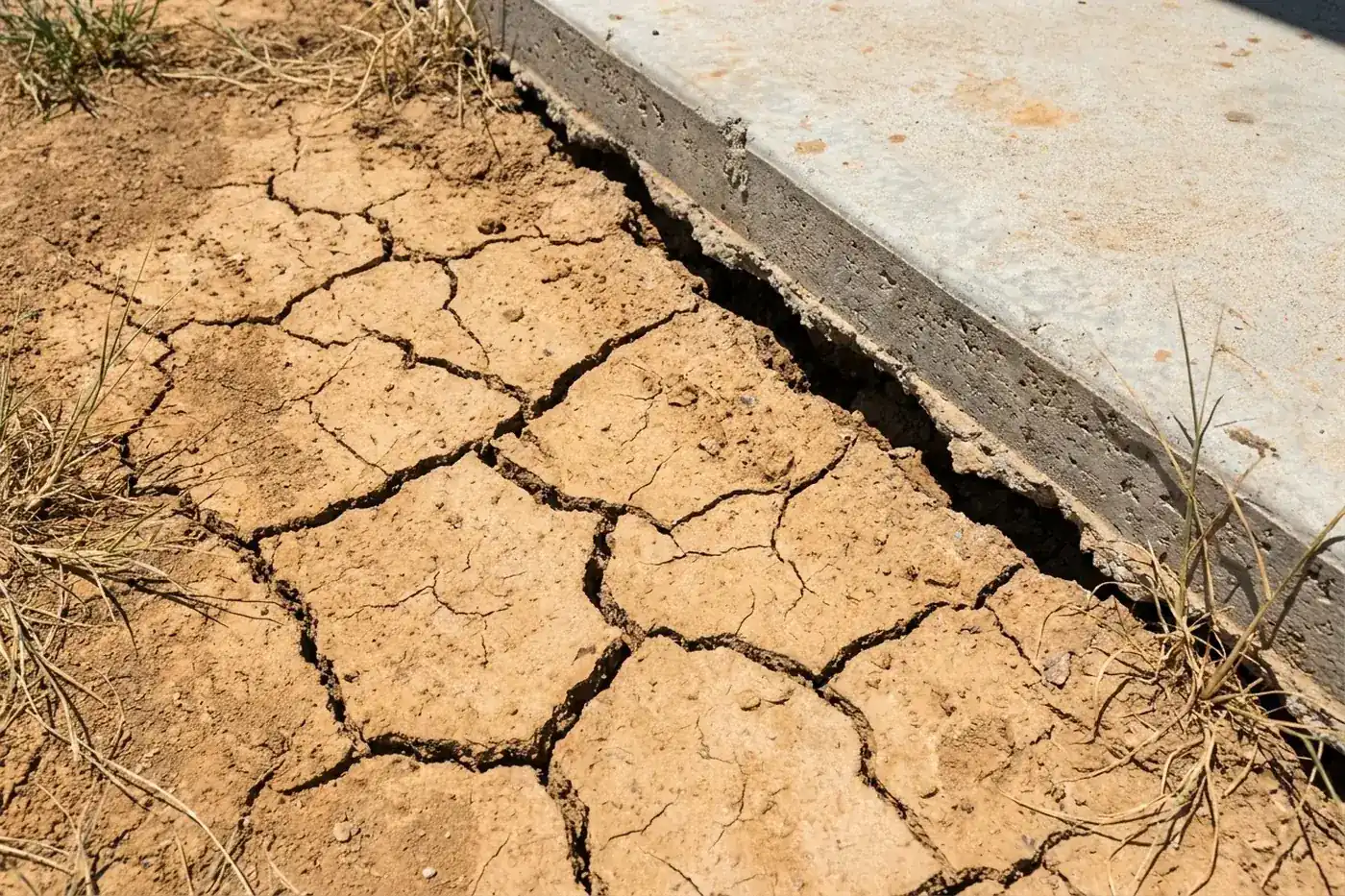
It suits this ground because the problem is the upper soil profile. Get the load onto material below the zone that dries and swells with the seasons, and the seasons stop reaching it.
Depth belongs in the quote
You are billed for concrete that goes into the ground, and how much that is changes from one corner of a lot to another. Two bids can name the same number of pilings and land thousands apart purely because each guessed a different distance down, and neither of them wrote the guess on the page.
The fix is to insist on two figures: how deep they have assumed, and what a section costs past that point. Anyone who has genuinely looked at your site can produce both without hesitating.
Ask what paperwork you get afterwards
- How far down each individual piling went — every one listed, no averages
- A drawing showing where they are, so somebody can find them in fifteen years
- How much lift was actually achieved, set against the figure agreed beforehand
- What you were charged for the sections past the assumed depth
- Floor elevations from before and after, which is the only impartial account of what changed
Ask for that packet to be handed to you. Without it any warranty is difficult to enforce, and asking for it up front is a perfectly reasonable thing to do with any bidder.
The part that does not end
This is the honest caveat and it belongs on the page rather than in the small print. Pilings support the perimeter beam. They do not stop Nueces County clay from shrinking and swelling underneath the interior of the slab, or at the soil surface around the house.
So the seasonal moisture regime stays relevant after underpinning, not instead of it. A house that has been piled and then left to swing through a full drought cycle is a house that can develop new movement in areas the pilings never touched. The stabilisation page covers what that involves.
Lift, or hold?
| Where you are | What to aim at |
|---|---|
| Movement is recent and has not stopped | Get it supported first, then take back whatever elevation is safe |
| It moved years ago and the house has adjusted | Keep it where it is; relevel only if the slope genuinely bothers you |
| Tile, brickwork and plaster everywhere | Go gently. Rigid finishes are the ones that complain first |
| A single elevation has dropped | Support that stretch, with a partial recovery figure written down |
Pilings, answered plainly
What do pressed pilings cost in Corpus Christi?
Each one is $1,200 to $3,000 and a whole job $4,000 to $15,000. How many you need depends on which parts of the beam have lost their support, not on how big the house is, and that is something an elevation survey establishes rather than a walk round the outside.
What is a pressed piling?
Sections of precast concrete hydraulically driven into the ground beneath the foundation beam, using the weight of the house itself as the reaction. It is the standard method across Texas clay markets and it suits this ground well.
How deep do they go?
Until they meet resistance, which varies across a single lot. That is why a quote should state an assumed depth and a rate for sections beyond it - a single total with no depth assumption is either padded or about to change.
Will my house go back to level?
Usually most of the way, and rarely all of it. A structure that has held a position for years has closed around that shape, and chasing the last fraction can crack more than it fixes. Ask for a lift target in writing before anything is jacked.
Do I still need to manage moisture afterwards?
You still need to manage moisture afterwards, and this is the part people skip. Pilings carry the beam; they do not stop the clay between and around them from moving. Interior slab areas and the soil at the perimeter still swing, so the watering regime stays relevant after the work.
How long does it take?
Figure on somewhere between two days and a working week at the property once the layout is settled, and you stay in the house throughout. What stretches it is access and depth - a narrow side yard slows every part of the operation down.
Book a Corpus Christi foundation assessment
Two things help most before the specialist gets there: roughly what year the house went up, and whether the trouble showed up during a dry spell or after heavy rain. On this ground the season it appeared in narrows the cause faster than the size of any crack does. You get a call back from a local specialist who serves Corpus Christi.